Editorial Platform — Informational content only. No services, no sales, no deliveries. Read full notice
Featured Insight

Sleep & Nutrition Insights

Evidence-based articles exploring how diet, habits and sleep science work together to improve your rest quality and daily performance.

Featured Insight

The Circadian Rhythm and Evening Nutrition: A Science-Based Guide

Your body's internal clock operates on a roughly 24-hour cycle that regulates sleep-wake patterns, hormone release, and digestive processes. Understanding how your evening diet aligns with this rhythm is essential for quality sleep. Recent research shows that meal timing, nutrient composition, and specific food choices can either support or disrupt your circadian system, directly affecting sleep onset, duration and restorative value.

Read the Full Article


Circadian rhythm visualization showing 24-hour sleep-wake cycle

Filter by Topic

Magnesium-rich foods including spinach, pumpkin seeds and almonds
Nutrition & Diet

Magnesium and Sleep: Why This Mineral Matters

Magnesium plays a crucial role in activating the parasympathetic nervous system, the "rest and digest" mode that prepares your body for sleep. Deficiency in this mineral is linked to poor sleep quality, restlessness and difficulty falling asleep. Learn which foods are rich sources and how to incorporate them into your evening diet.

Read More →
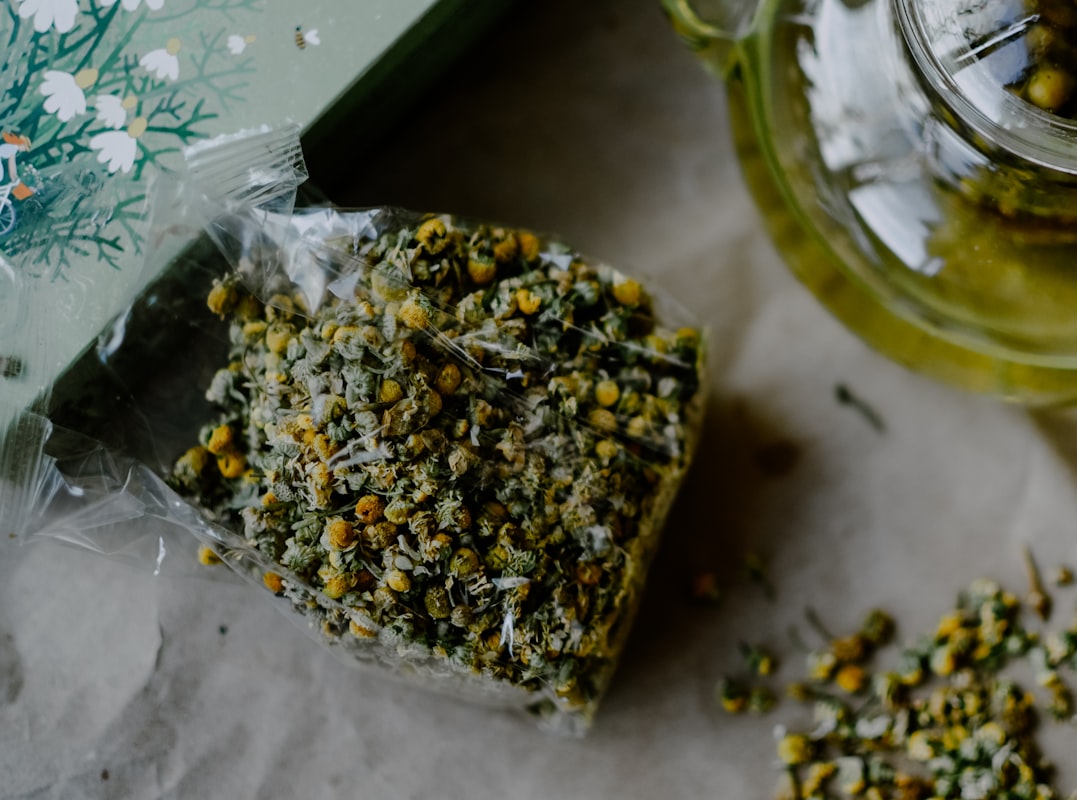
Herbal tea steaming in a cup with chamomile and lavender flowers
Evening Routines

Herbal Teas for Relaxation: What the Research Shows

Certain herbal infusions have been studied for their calming properties and potential to support sleep onset. Chamomile, passionflower and valerian root contain bioactive compounds that may promote relaxation and reduce anxiety before bed. Discover evidence-based recommendations for timing and preparation methods.

Read More →
Sleep stages diagram showing REM and non-REM cycles throughout the night
Sleep Science

Sleep Stages and Their Importance to Recovery

A complete sleep cycle progresses through light sleep, deep sleep and REM sleep, each with distinct physiological functions. Deep sleep supports physical recovery and immune function, while REM sleep is critical for cognitive consolidation. Nutrition choices affect how smoothly you cycle through these stages.

Read More →
Clock showing late evening with foods to avoid before bedtime
Sleep Hygiene

Common Evening Foods That Disrupt Sleep Quality

While certain foods support sleep, others can significantly interfere with rest quality. High-fat, high-sugar and heavily caffeinated items consumed close to bedtime activate the nervous system and delay sleep onset. Understand which foods to avoid and how timing affects their impact on your sleep architecture.

Read More →
B vitamins sources including whole grains, leafy greens and eggs
Vitamins & Minerals

B Vitamins and Sleep Regulation: Essential for Energy Balance

B vitamins participate in neurotransmitter synthesis and circadian rhythm regulation, making them essential for healthy sleep patterns. Deficiency in vitamins B6, B12 and folate is associated with insomnia and disrupted sleep architecture. Learn which foods provide these nutrients and how to maintain adequate intake through diet.

Read More →
Evening routine timeline showing optimal meal timing and relaxation activities
Evening Routines

Building an Evening Routine: Nutrition and Sleep Hygiene Combined

A consistent evening routine that integrates strategic nutrition supports your circadian rhythm and prepares your body for sleep. This includes optimal meal timing, specific food selections, light exposure management and relaxation practices. Discover how to sequence these elements for maximum effectiveness.

Read More →
Tryptophan-containing foods including turkey, cheese, nuts and seeds
Nutrition & Diet

Tryptophan and Serotonin: The Amino Acid-Sleep Connection

Tryptophan is a precursor amino acid required for serotonin synthesis, a neurotransmitter that supports mood and sleep regulation. The body cannot produce tryptophan, so dietary sources are essential. Understanding how to combine tryptophan-rich foods with carbohydrates optimizes serotonin production and sleep quality.

Read More →
Hydration and sleep connection showing water and healthy sleep patterns
Sleep Hygiene

Hydration Timing and Sleep Quality: Finding the Balance

Adequate hydration supports sleep quality, but timing matters significantly. Consuming too much fluid close to bedtime causes nocturnal waking, while dehydration impairs sleep architecture. Research-backed guidance on hydration patterns throughout the day helps optimize sleep without nighttime interruptions.

Read More →

Stay Updated with Sleep Science Insights

Get our latest articles on nutrition, sleep hygiene and evidence-based rest strategies delivered to your inbox. No product promotions — just educational content to improve your sleep.

We respect your privacy. See our privacy policy

Our Editorial Standards

All content on Sleepcyclenutrition is created with a commitment to accuracy, evidence-based information and scientific integrity. Our articles are informed by peer-reviewed research, established sleep science principles and nutritional guidelines.

We do not promote products or services. Our mission is to provide readers with factual, accessible information about how nutrition and lifestyle choices support healthy sleep patterns and overall wellbeing. Each article focuses on education rather than marketing.

For detailed information about our approach, please review our disclaimer and about page.

This site provides educational content only. We do NOT offer medical consultations, sale of products, deliveries, or refund policies. For medical advice, consult a licensed professional.