
Sleep Better Through Nutrition Science
Discover evidence-based nutritional strategies to improve your sleep quality. Learn which foods, timing, and dietary habits support deeper, more restorative rest naturally.
- Understanding sleep cycles and nutritional timing
- Foods and nutrients that enhance sleep quality
- Evening routines backed by sleep science

Nutritional Foundations for Better Sleep
Sleep quality depends on multiple factors. Our content explores how nutrition, timing, and specific foods interact with your natural sleep-wake cycles.
Sleep Stages & Cycles
Understand REM and non-REM sleep phases, how they affect recovery, and which nutrients support each stage. Learn how meal timing influences your natural sleep architecture and why consistency matters.
Foods for Sleep Quality
Discover which foods contain sleep-supporting nutrients like tryptophan, magnesium, and B vitamins. Learn which meals to prioritise in evening hours and which foods to avoid before bedtime.
Herbal Tea & Relaxation
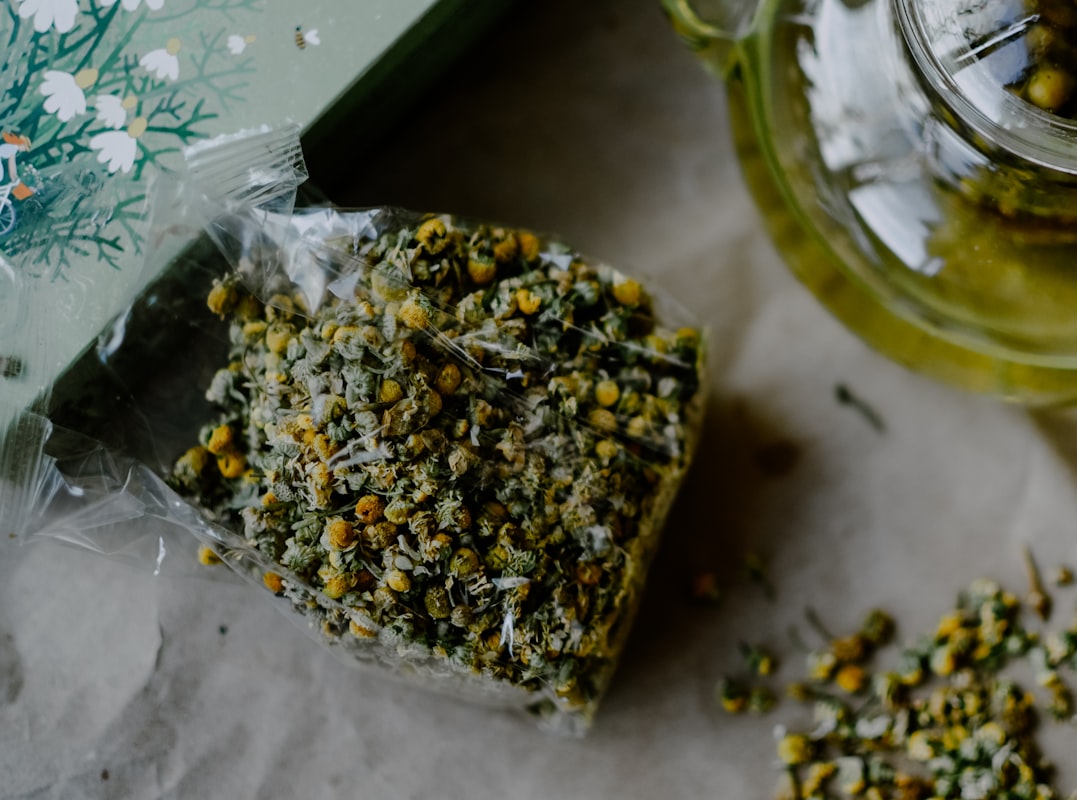
Explore calming herbal options like chamomile, passionflower, and valerian root. Understand how warm beverages signal relaxation to your body and fit into healthy evening routines.
Meal Timing & Routines
Learn optimal timing for final meals and snacks before sleep. Discover how fasting periods, caffeine schedules, and meal composition affect your ability to fall asleep and stay asleep.
Sleep Vitamins & Minerals
Explore which vitamins and minerals support sleep, including magnesium, calcium, zinc, and B vitamins. Learn food sources that naturally provide these nutrients without supplementation.
Causes of Poor Sleep
Understand dietary and lifestyle factors that disrupt sleep. Learn how alcohol, heavy meals, processed foods, and hydration patterns can interfere with your natural rest cycles.

Science-Based Sleep Nutrition Information
Sleep Cycle Nutrition is an editorial platform dedicated to exploring the connection between what you eat and how well you sleep. Our content is researched and focused on practical, evidence-based guidance.
Evidence-Based Articles
Our editorial team researches peer-reviewed studies and expert sources to provide reliable information about sleep nutrition.
Practical Guidance
Learn actionable recommendations for evening routines, food choices, and timing strategies that fit real daily life.
Comprehensive Coverage
From sleep stages to specific foods and minerals, we explore every aspect of how nutrition shapes your rest.
Featured Topics
Explore our most popular articles and guides on sleep nutrition, dietary habits, and evening routines.
Sleep Hygiene Recommendations
Comprehensive rules for healthy sleep, including environmental factors, timing practices, and pre-sleep habits that support natural rest cycles.
Read more
What to Eat Before Bed
Discover the best foods and snacks to consume in evening hours. Learn portion sizes, timing, and which combinations support better sleep quality.
Read more
Sleep-Supporting Vitamins
Explore which vitamins and minerals affect sleep quality. Learn natural food sources of magnesium, calcium, zinc, and B vitamins that promote rest.
Read morePractical Sleep Nutrition Guides
Step-by-step frameworks for improving your sleep through nutrition and lifestyle adjustments.
Establish Evening Routines
Create consistent pre-sleep habits starting 2-3 hours before bedtime. Include a final meal or light snack with sleep-supporting nutrients, herbal tea, and wind-down activities that calm your nervous system.
Optimize Food Choices
Focus your diet on whole foods rich in magnesium, B vitamins, and amino acids. Learn which meals promote steady sleep and which combinations cause disruption. Understand the impact of caffeine timing and alcohol consumption.
Monitor & Adjust
Track how different foods and timing affect your sleep quality. Pay attention to your natural sleep cycles and adjust meal timing based on your individual patterns. Consistency is key to sustainable improvements.
What Our Readers Say
Real feedback from people who've applied our sleep nutrition guidance to improve their rest.
"I've struggled with sleep for years. After reading the articles about magnesium-rich foods and evening meal timing, I made simple changes to my diet. Within two weeks, I noticed I was falling asleep more easily and sleeping through the night. The science behind it makes so much sense now."
Sarah Mitchell
Manchester, United Kingdom
"The guides on herbal tea and afternoon caffeine habits transformed my sleep. I switched to chamomile in the evenings and adjusted my coffee schedule. It's incredible how much timing matters. I feel more rested than I have in years, and I finally understand why."
David Chen
London, United Kingdom
"As a busy professional, I appreciate how practical these recommendations are. The articles break down complex sleep science into actionable steps. I've implemented the evening routine suggestions and see real improvement in my sleep quality and daytime energy."
Emily Richardson
Birmingham, United Kingdom
"I loved learning about the connection between sleep stages and nutrition. The detailed guides on which foods support REM sleep versus deep sleep gave me confidence in my choices. I'm sleeping better and feel like I finally understand the 'why' behind good sleep habits."
James Thompson
Edinburgh, United Kingdom
Frequently Asked Questions
Common questions about sleep nutrition and how to apply our guidance.
Most people notice changes within 1-2 weeks of implementing dietary adjustments and evening routines. However, sleep quality improvements are often gradual. Some changes, like consistent caffeine timing, show effects quickly. Others, like building magnesium levels, take longer. Consistency and patience are important for lasting results.
Magnesium-rich foods include leafy greens, pumpkin seeds, almonds, and dark chocolate. Tryptophan (an amino acid that supports serotonin) is found in turkey, chicken, eggs, and nuts. B vitamins are abundant in whole grains, leafy vegetables, and legumes. Calcium is in dairy products and fortified plant-based options. A balanced evening meal containing protein, complex carbohydrates, and healthy fats typically provides a good combination of sleep nutrients.
A substantial meal should be consumed 2-3 hours before sleep, allowing time for digestion. A light snack can be eaten 30-60 minutes before bed. However, individual timing varies based on metabolism and sleep schedule. Some people sleep better with a small snack, while others do best with nothing after their main dinner. Experiment to find what works for your body and sleep patterns.
Caffeine has a half-life of 5-6 hours, meaning if you consume 200mg at 2pm, roughly 100mg remains at 8pm. This residual caffeine can interfere with sleep onset and quality. Most sleep experts recommend stopping caffeine consumption 6-8 hours before bedtime. For evening sleep, this typically means no caffeine after 2-3pm. Individual sensitivity varies, so some people may need to cut off earlier.
Research supports several herbal teas for relaxation. Chamomile contains compounds that may promote calm, passionflower has traditional use for anxiety, and valerian root has been studied for sleep support. Beyond the botanical properties, the warm beverage itself signals relaxation to your body and creates a calming ritual. Effectiveness varies between individuals, so trying different options helps identify what works for you.
Get Our Latest Sleep Nutrition Insights
Subscribe to receive new articles, research updates, and practical tips delivered to your inbox.
We respect your privacy. Unsubscribe at any time.
Ready to Improve Your Sleep?
Explore our comprehensive collection of articles, guides, and resources on sleep nutrition. Apply science-based recommendations to your daily life and discover how the right foods and timing can transform your rest.